Protect Earth
Wetland restoration by the square meter
Wetland restoration by the square meter
Be a part of restoring our lost and degraded wetlands, a habitat that has shrunk as it has been drained, straightened and buried. Wetlands host a vast array of biodiversity, which you can help us to restore today.
What Are Wetlands?
Wetlands encompass a wide range of different watery habitats; estuaries, fens, lakes, lagoons, peat bogs, reedbeds, rivers and streams, saltmarshes, seagrass beds, wet grasslands, wet woodlands (also known as swamps), even ponds and roadside ditches and scrapes are wetlands! These liminal, watery places create a patchwork of different habitats and microclimates, allowing specialist species to flourish.
Why Restore Wetlands?
We have lost a staggering 75% of our wetlands in the UK, just in the last 300 years - and this was already vastly reduced due to drainage and industrialisation. More than 10% of our wetland species are threatened with extinction, and two thirds are in decline. With wetlands providing a home for 40% of the world’s species, this decline threatens ecological collapse if we don’t urgently respond.
Wetlands not only can help us face the biodiversity crisis, but they are also powerhouses in locking in carbon, as well as clearing up pollution both in the air, and in the water. They prevent eutrophication of rivers (the use of all oxygen by algal blooms, so nothing can live in them), caused by runoff from farming.
By the 2050s, annual economic losses from flooding in England and Wales could be as high as £6.8 billion. Wetlands deliver up to £9 of benefit per £1 spent for natural flood management, making wetland restoration one of the best ways to ensure that people keep their homes and businesses, and save the country billions of pounds.
Aside from this, blue spaces have been proven time and time again to be great for our mental health. And with so many of our rivers and lakes being polluted and unsuitable for swimming, wetland restoration can help clean up our waterways - preventing sickness in children and outdoor swimmers.
How We Restore Wetlands
With such a diversity of wetlands, there are many ways we restore wetlands!
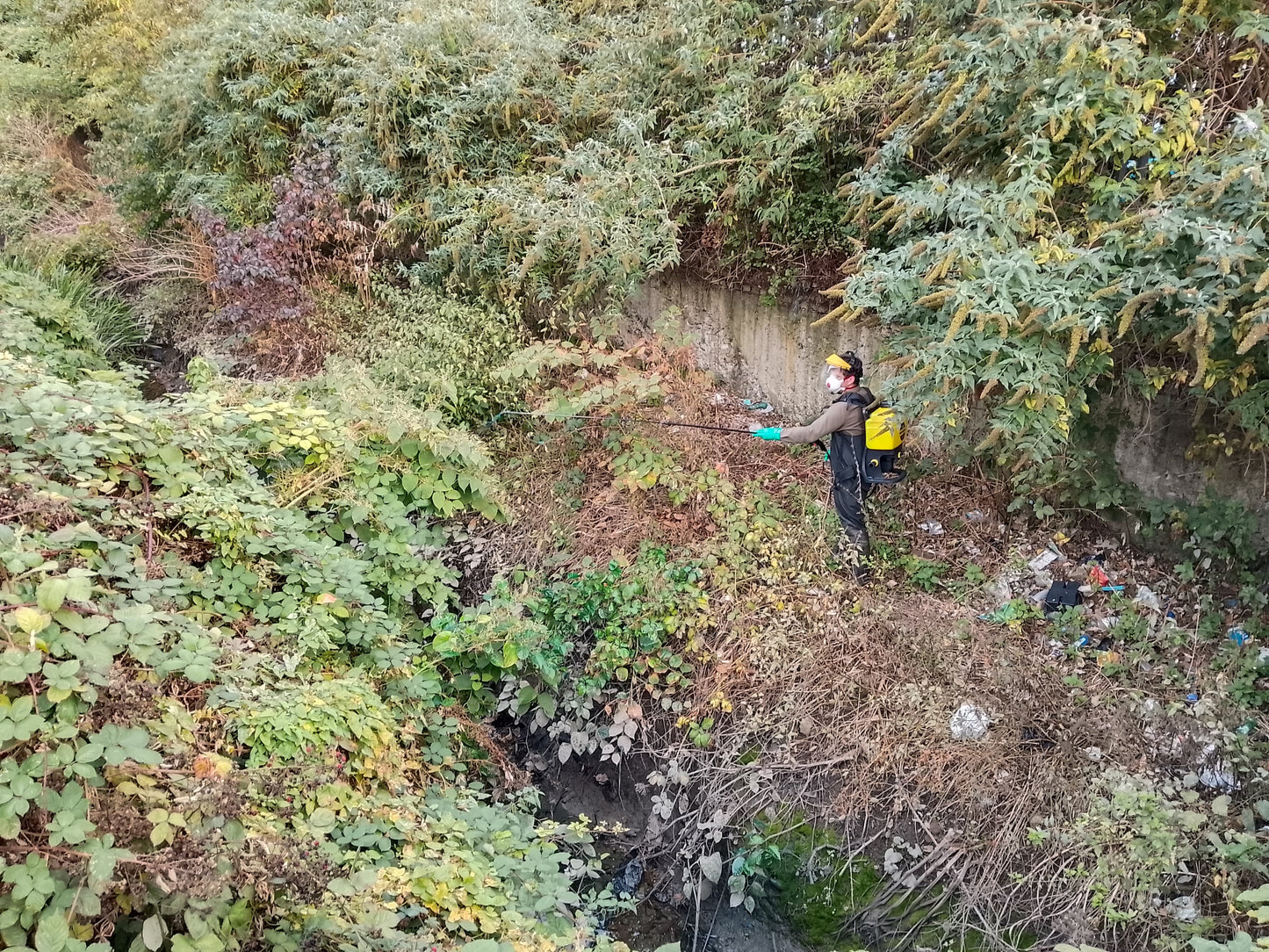
Restoration might include improving habitat for beavers, wetland restorers extraordinaire, removing Japanese knotweed from a tidal marsh, restoring peatland, blocking streams and rivers with leaky dams (like the beavers!), planting rushes and sedges, removing Himalayan balsam from river edges, restoring streams and rivers by rewiggling them and reconnecting them to their natural floodplains - and much more!
What You Receive
You will receive a receipt letting you know we received your generous sponsorship, and as soon as restoration work is assigned to you it will be emailed over with a certificate showing you where it is.
If you get a square in Warleigh Nature Reserve, you can come along to a volunteering day and we'll happily point you to it